Now there's a name that evokes dreams! The Way of the Gods is a route that connects Bologna to Florence, traversing the entire Apennine mountain range. The gods are the (small) peaks you encounter along the way: Monte Adone (Adonis), Monzuno (Mount Juno or Mount Jupiter), Monte Venere (Venus)... An easy trail, but one boasting a great variety of landscapes and monuments! The most interesting is undoubtedly the Flaminia MilitaryThe Roman road, built thanks to the consul Gaius Flaminius in 187 BC, more or less follows the route of the modern-day Way of the Gods. This road was completely abandoned and then rediscovered in the 1970s by two enthusiasts. Today, beautiful sections of it can be seen, preserved intact under the humus over the years.
The traditional route of the Path of the Gods is from Bologna to Florence. That said, the first few stages in Bologna looked rather dull on the map (a day's walk not far from the highway...). So we opted to start in Florence, head towards Bologna, and walk for just three days.
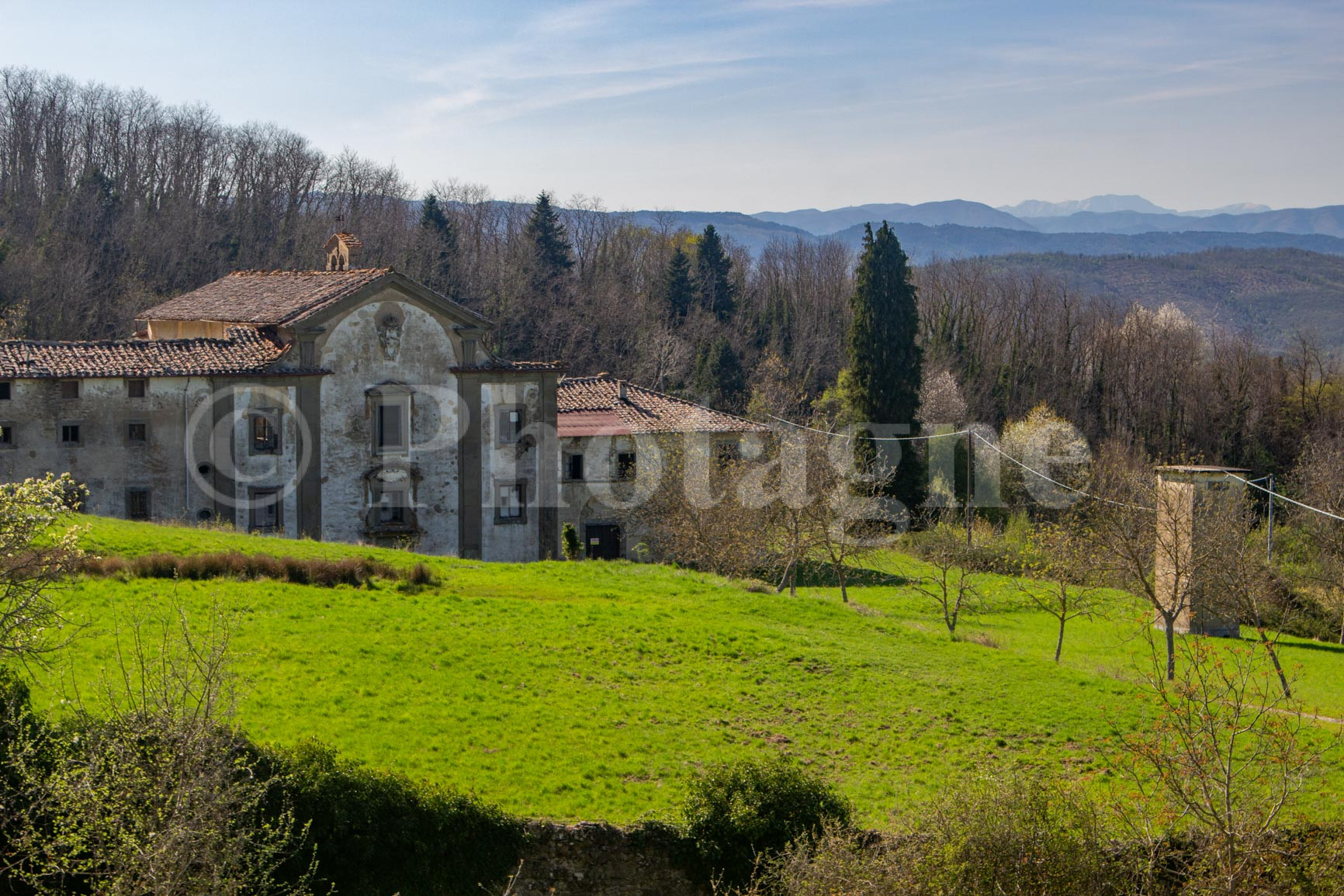
Path of the Gods in Tuscany, day 1: Fiesole, Vetta le Croci, Monte Senario
+ 1000m / – 900m 24km
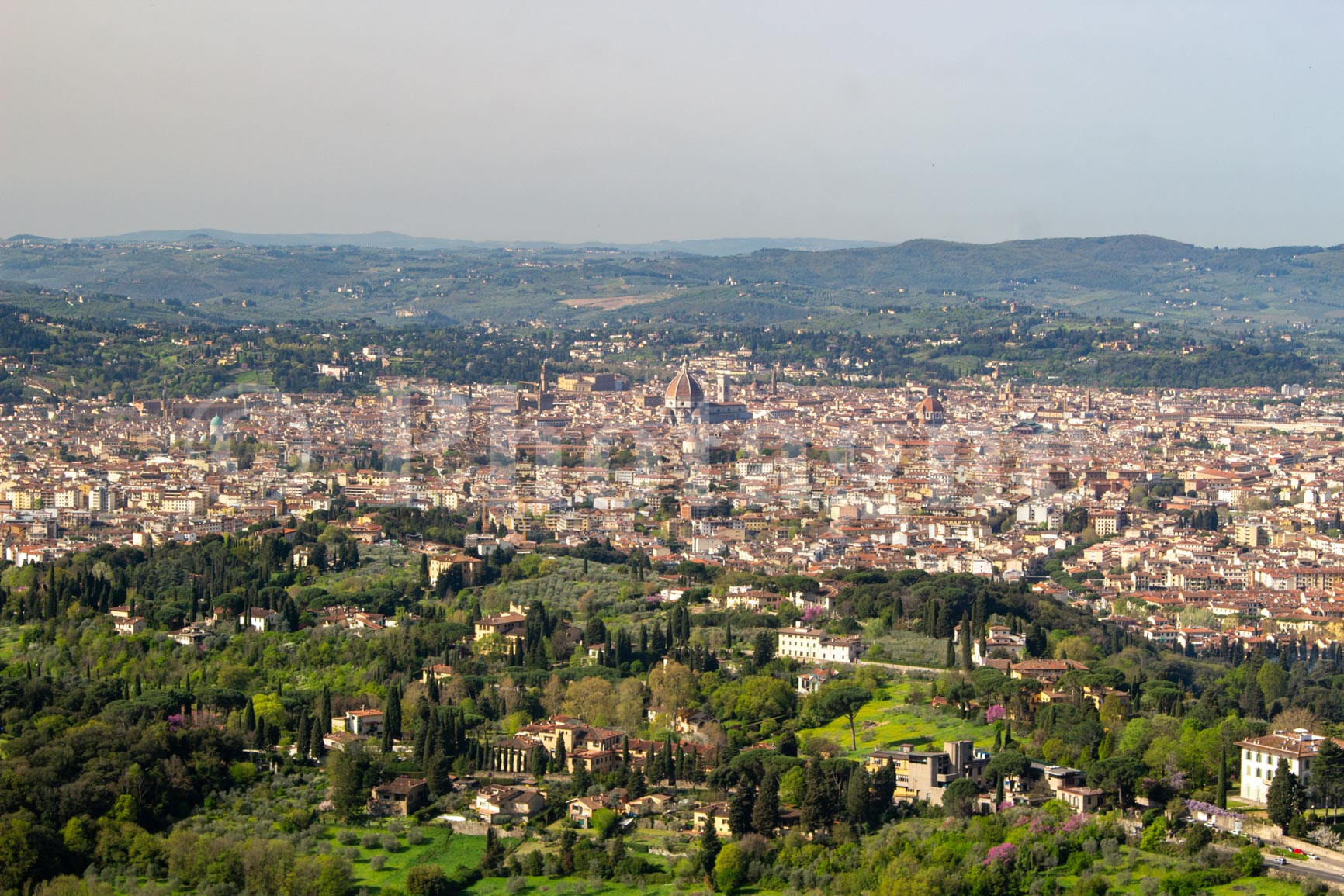
So here we are, three of us, from Fiesole on this beautiful spring morning. This village is easily reached from downtown Florence by bus 7. Moreover, the view of the city at the Dome is overwhelming from the streets of the village.
A few kilometers later, we reach the hill of Poggio Pratone with a lovely view of the surrounding Tuscan countryside. The path then becomes more scenic, winding through a wood of small deciduous trees. A little further on, someone has installed a wind chime in the branches of a tree. The wind makes it ring out a soothing tune… It gives the place a very special atmosphere!
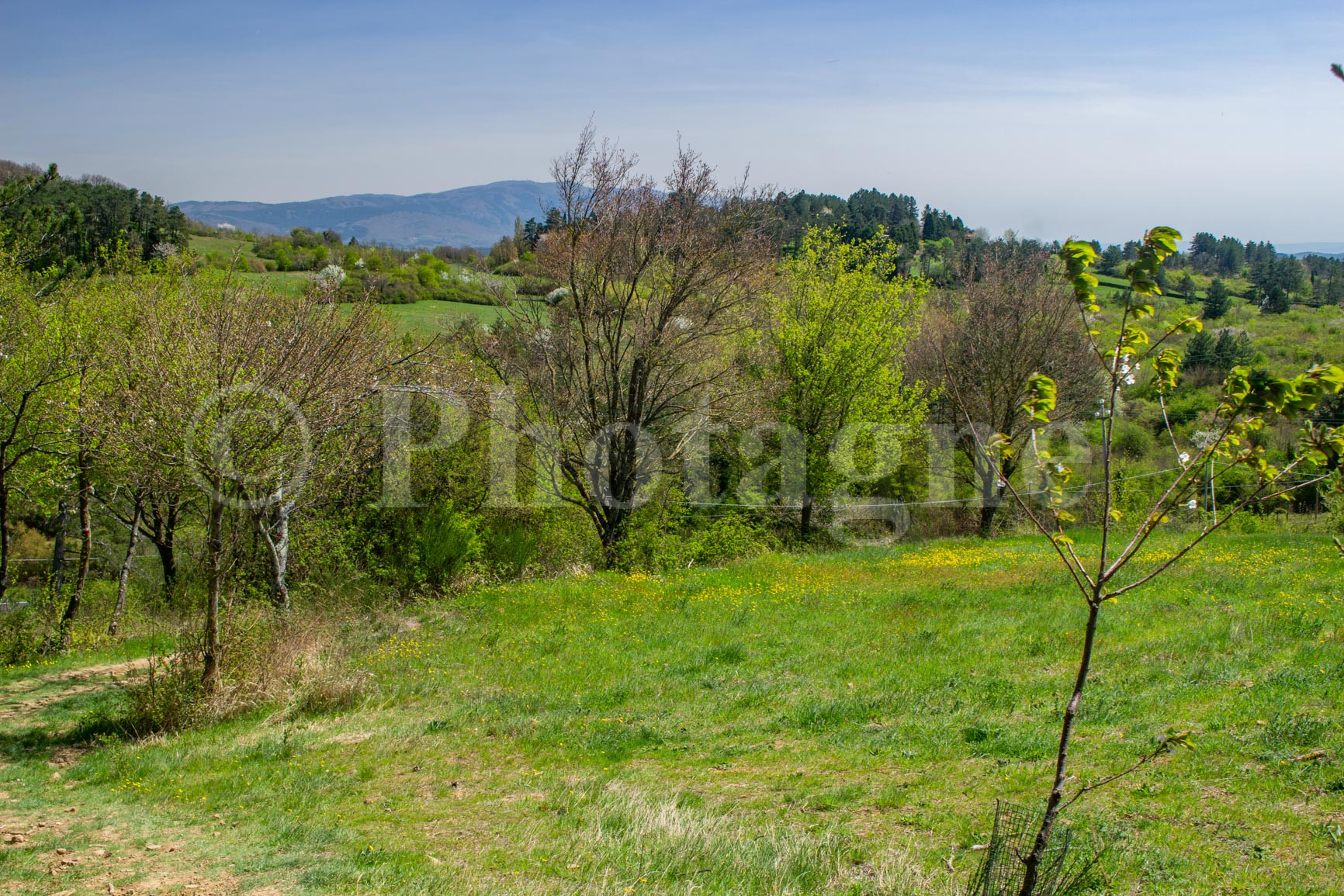

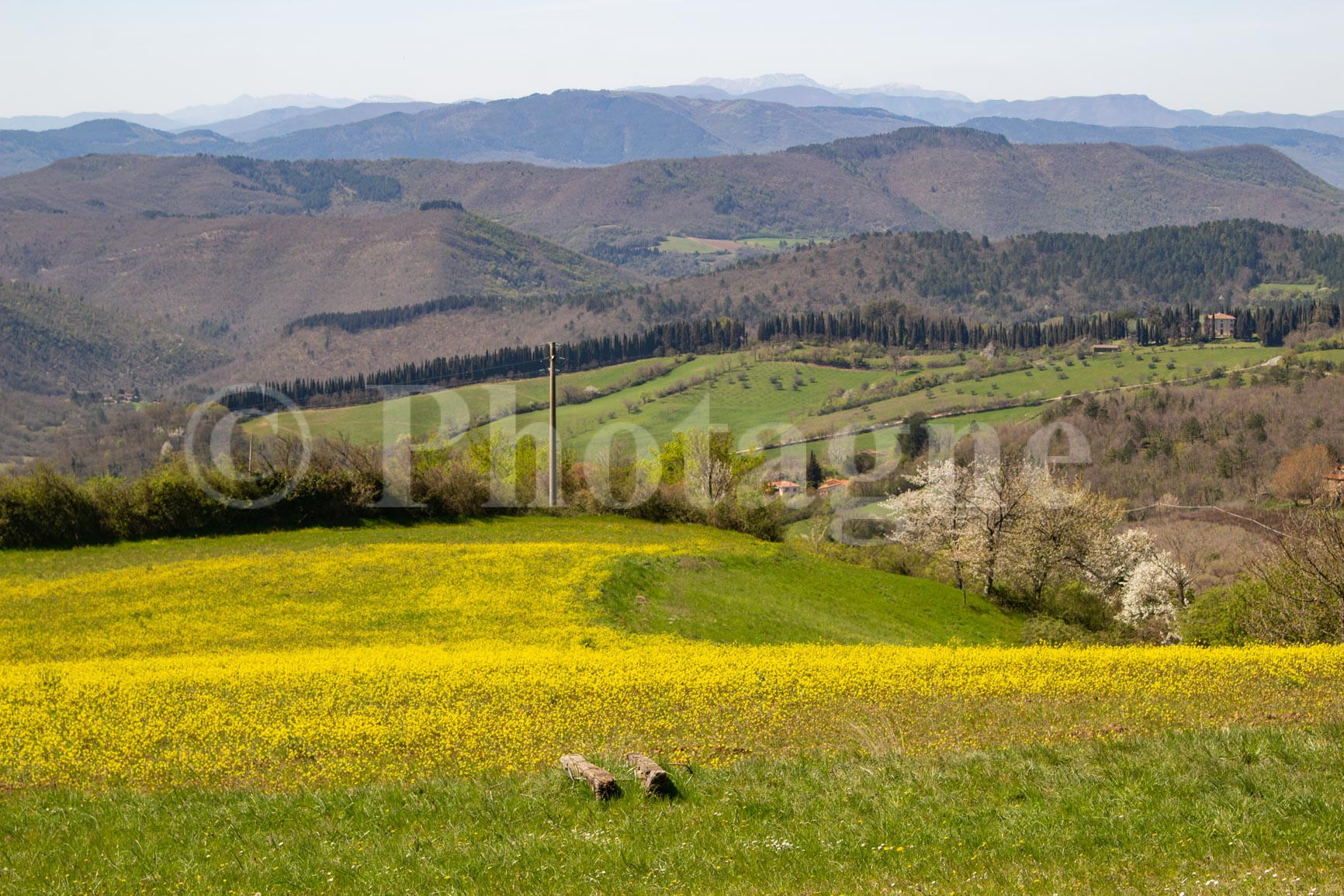
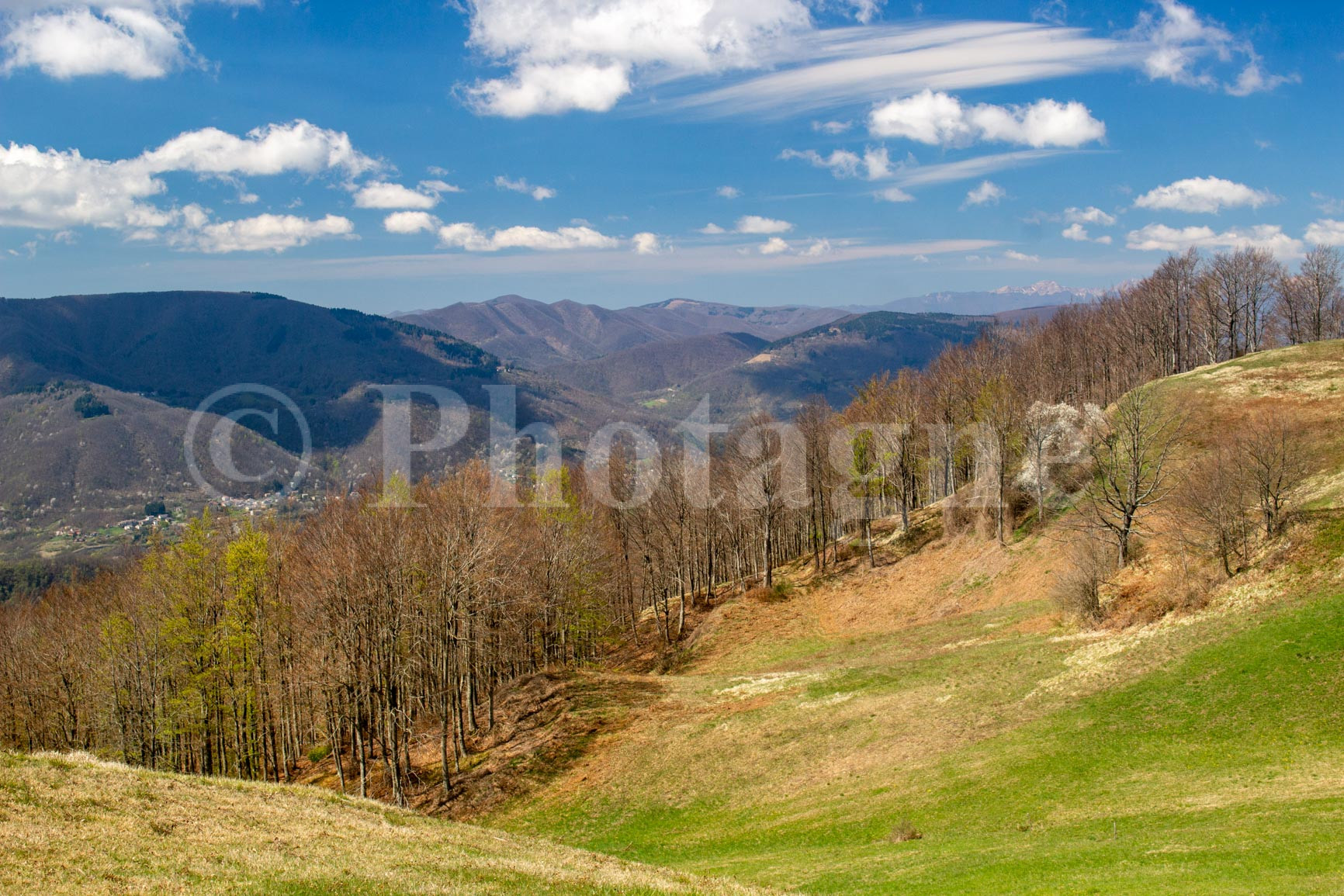
We then cross gentle, very green hills. The yellow buttercups and white plum blossoms complete the picture, giving everything a decidedly spring-like feel.
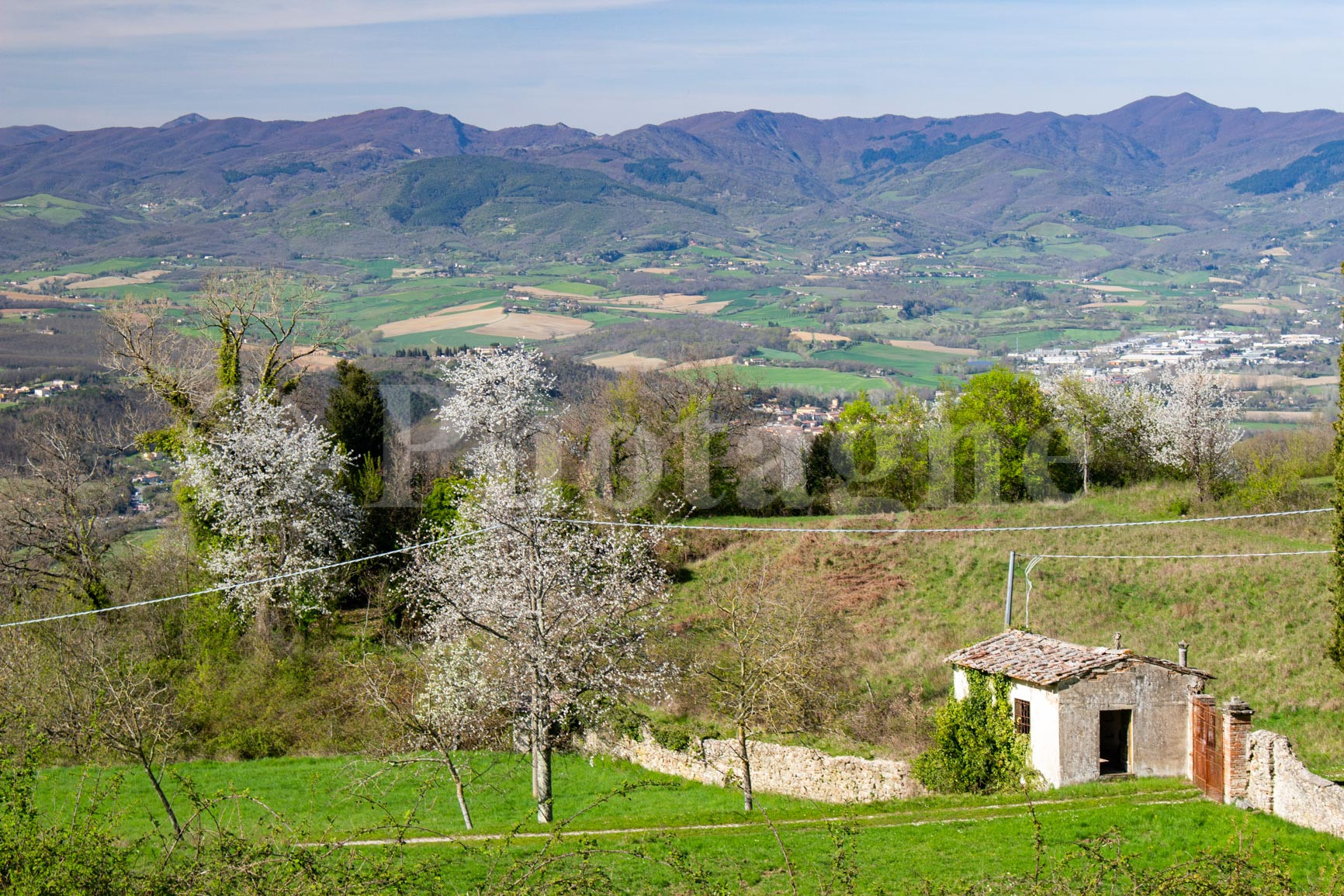
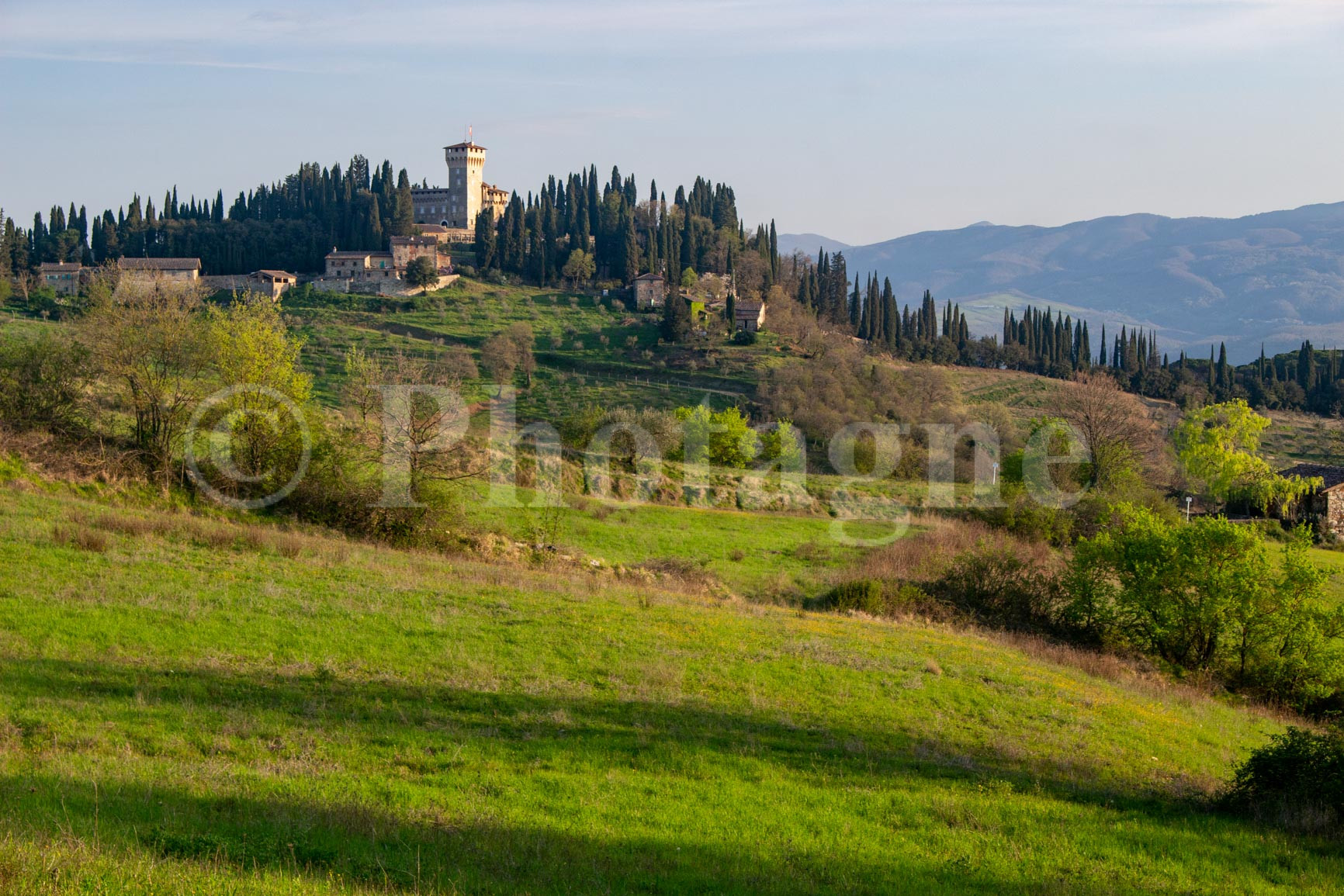
We stop at the church of Monte Senario to refill with water. Then it's a bit long in the beeches before rejoining more sympathetic landscapes in the Tuscan style. In the distance stands the barrier of the Apennines that we will cross the next day. In the meantime, the sun starting to decline, we pitch the tent shortly after the village of Tagliaferro in a meadow a little outside the road. There is an excellent view of the castle of Trebbio which will be our first stop the next day…
Day 2: San Piero a Sieve, Schifanoia, Passo dell'Osteria Bruciata
+ 1100m / – 400m 23km
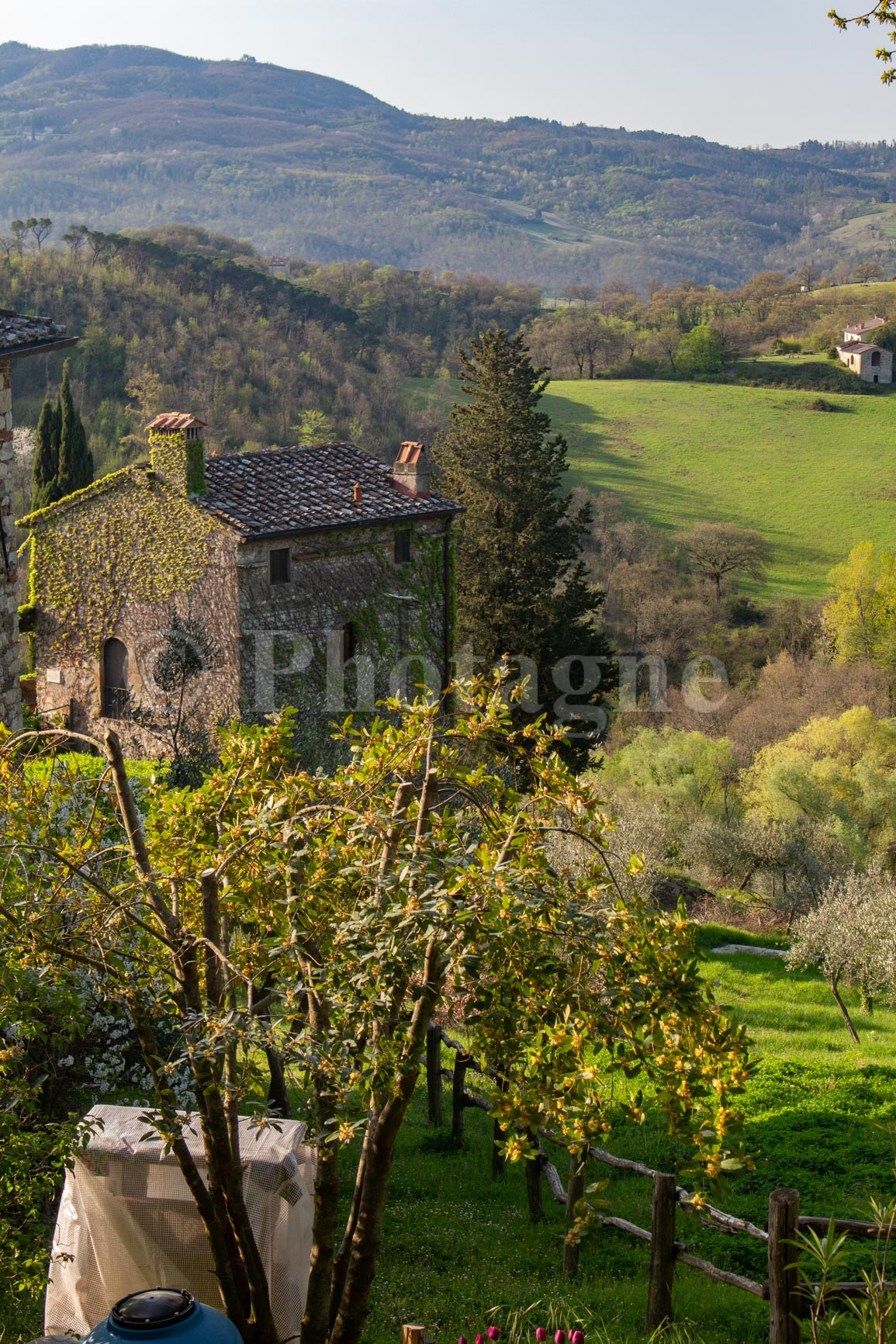
After a hearty breakfast of the ever-present hiking oats, we break camp and head towards Trebbio Castle. It sits atop a small hill offering a simply majestic view of the surrounding countryside.
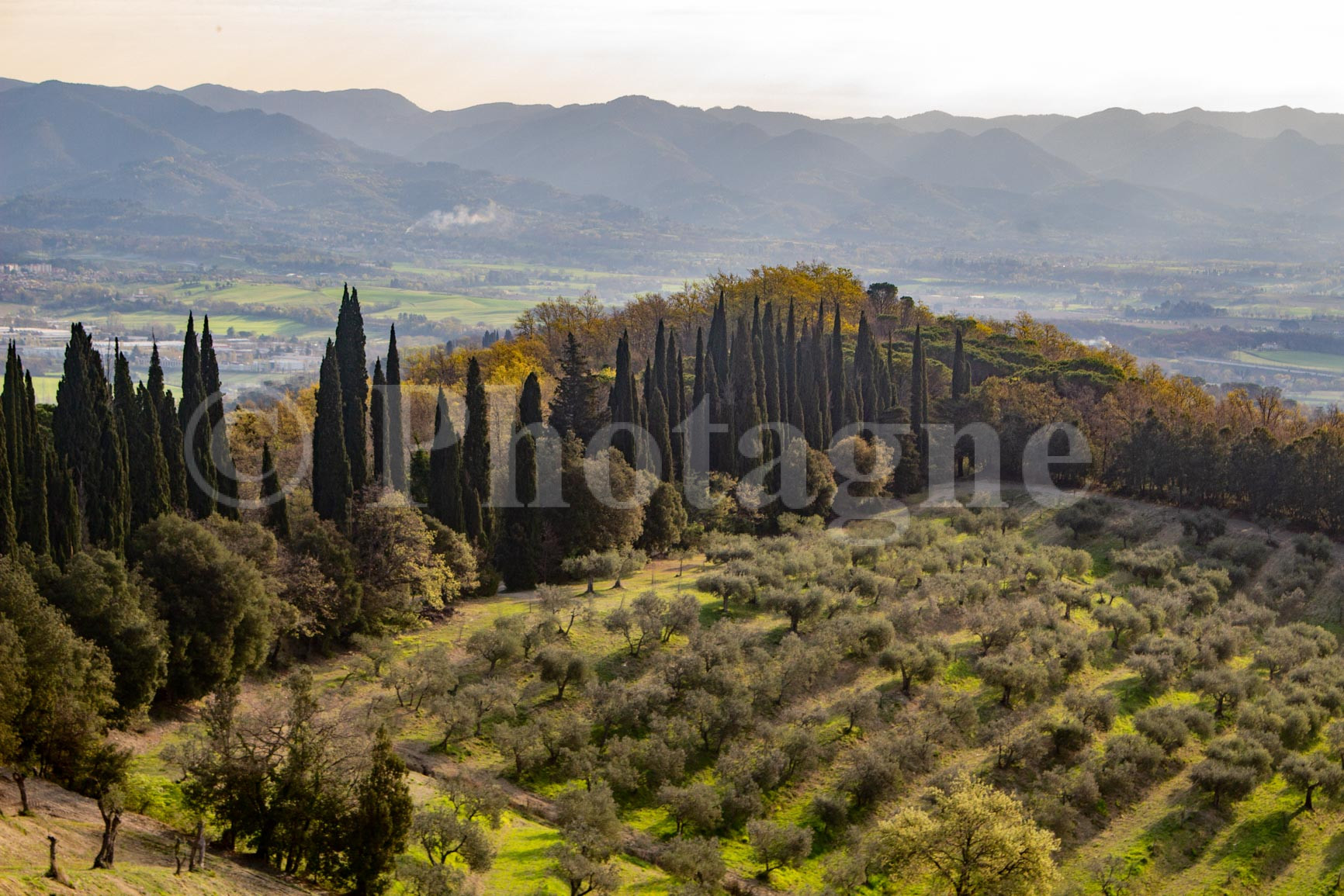
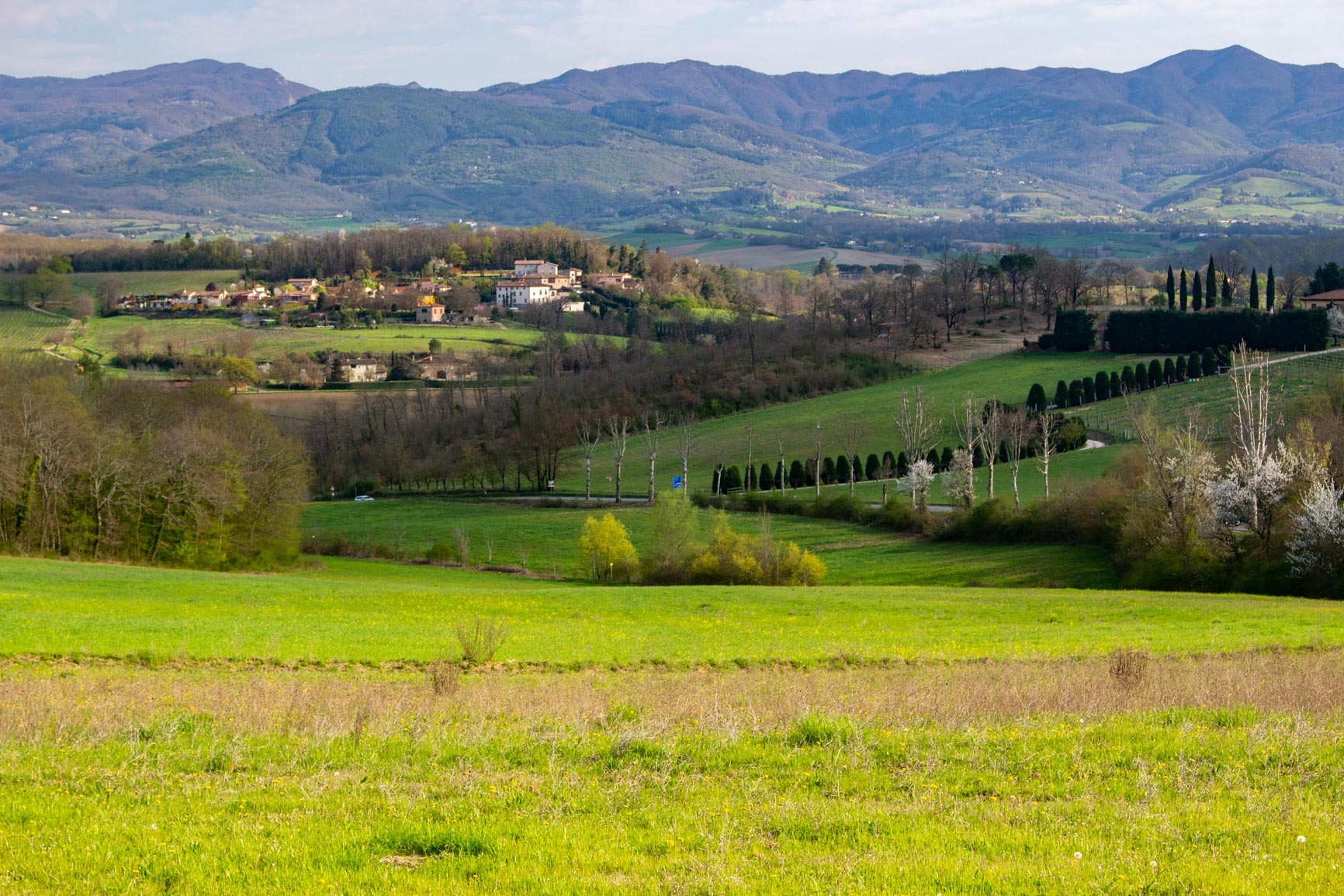
We then passed through the small village of San Piero a Sieve. It was the perfect opportunity to treat ourselves to a large cornetto for our morning sugar fix. The next section of the Way of the Gods follows a (small) flat road for almost 5km. Suffice it to say, it's a bit boring… In fact, the Italian name of the neighboring town is… Schifanoia (schifo = ugly, noia = boring)! But the last part offers a fantastic view of the Tuscan countryside, with the tender green fields of spring that are a delight to behold (in photos the green looks artificial… it isn't!).

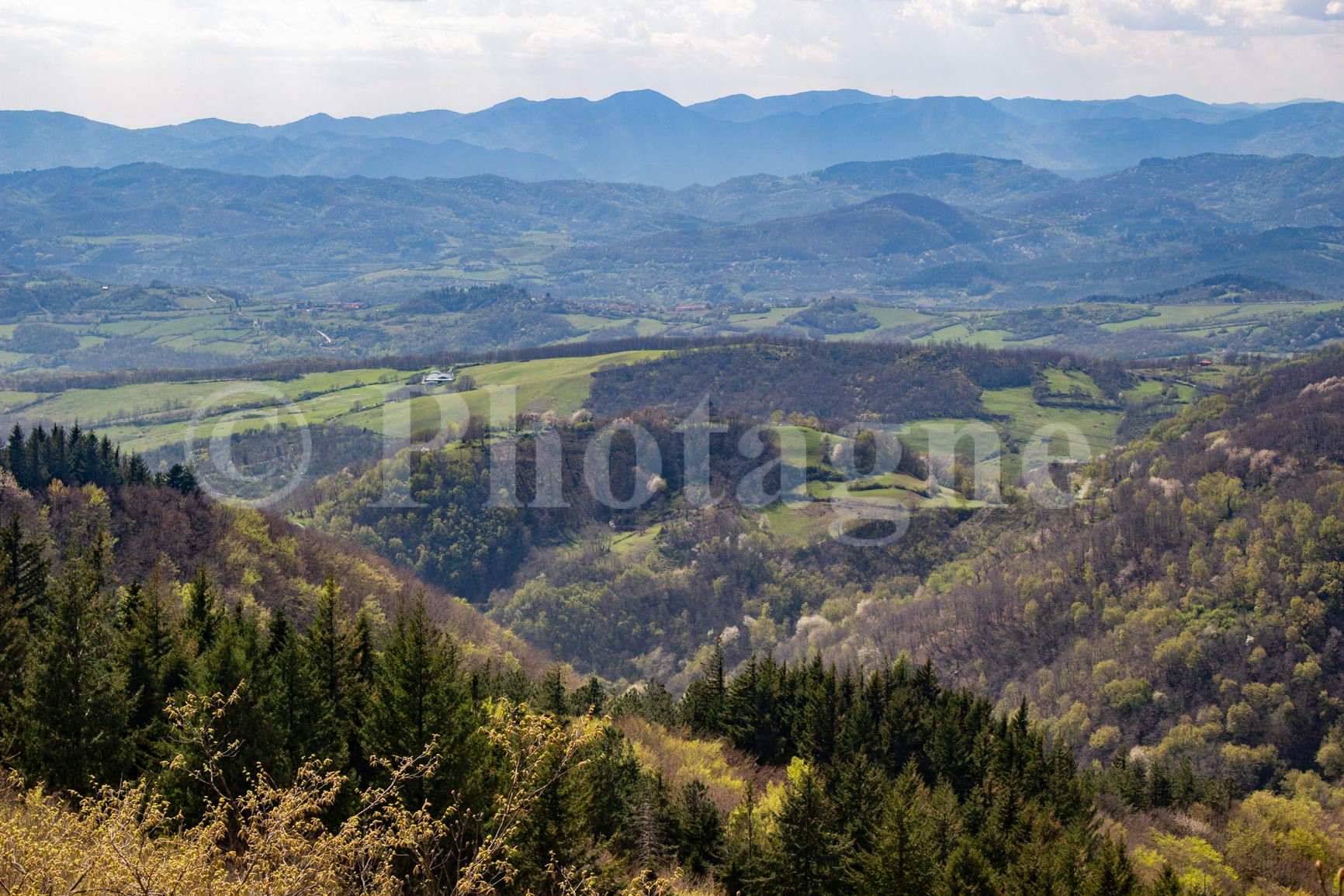
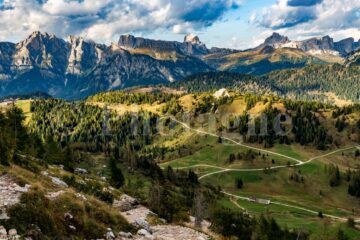
We then begin the part that takes us into the Apennines proper. The path slowly climbs its 1000m drop in a forest composed first of pines then hardwoods and finally beeches. We arrive at the Passo dell'Osteria Bruciata after some panoramic views on the route taken. The place seems suitable for bivouac but it is too early and we have no water, so we continue to the nearest source. After recharging, we push to Mount Gazzaro, one of the highest points of the route (1125m, it's not madness either eh).
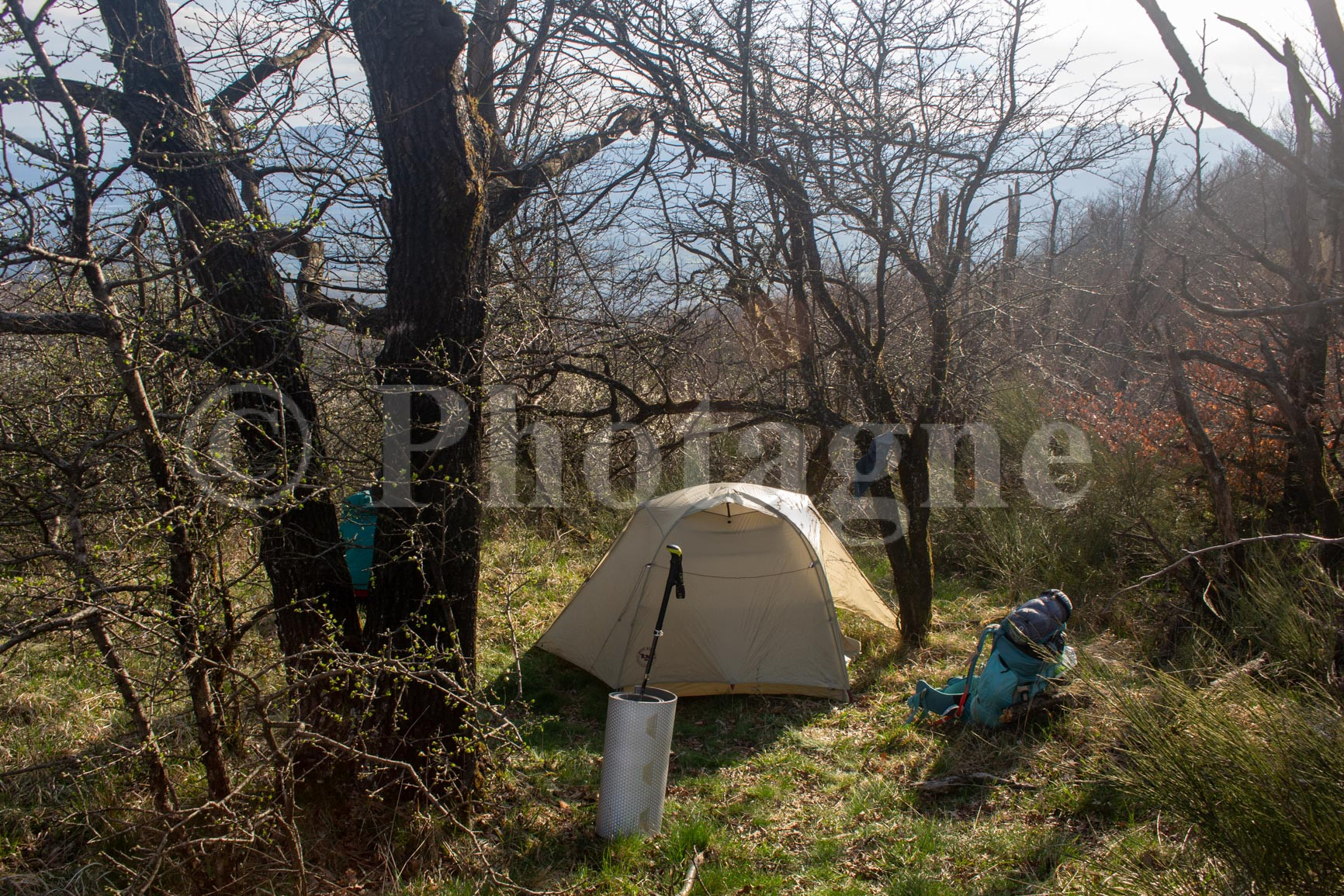
We find an ideal bivouac spot just before the summit, at the panoramic viewpoint. What's incredible is that the wind blows to dehorn the oxen at the top, but that we are miraculously protected! I'm afraid the wind will change during the night, but that won't be the case. We spend a very beautiful evening watching the flamboyant sunset over the entire chain of the Apennines.
Day 3: Passo della Futa, Via Flaminia Militare, Madonna dei Fornelli
+ 850m / – 1600m 28km
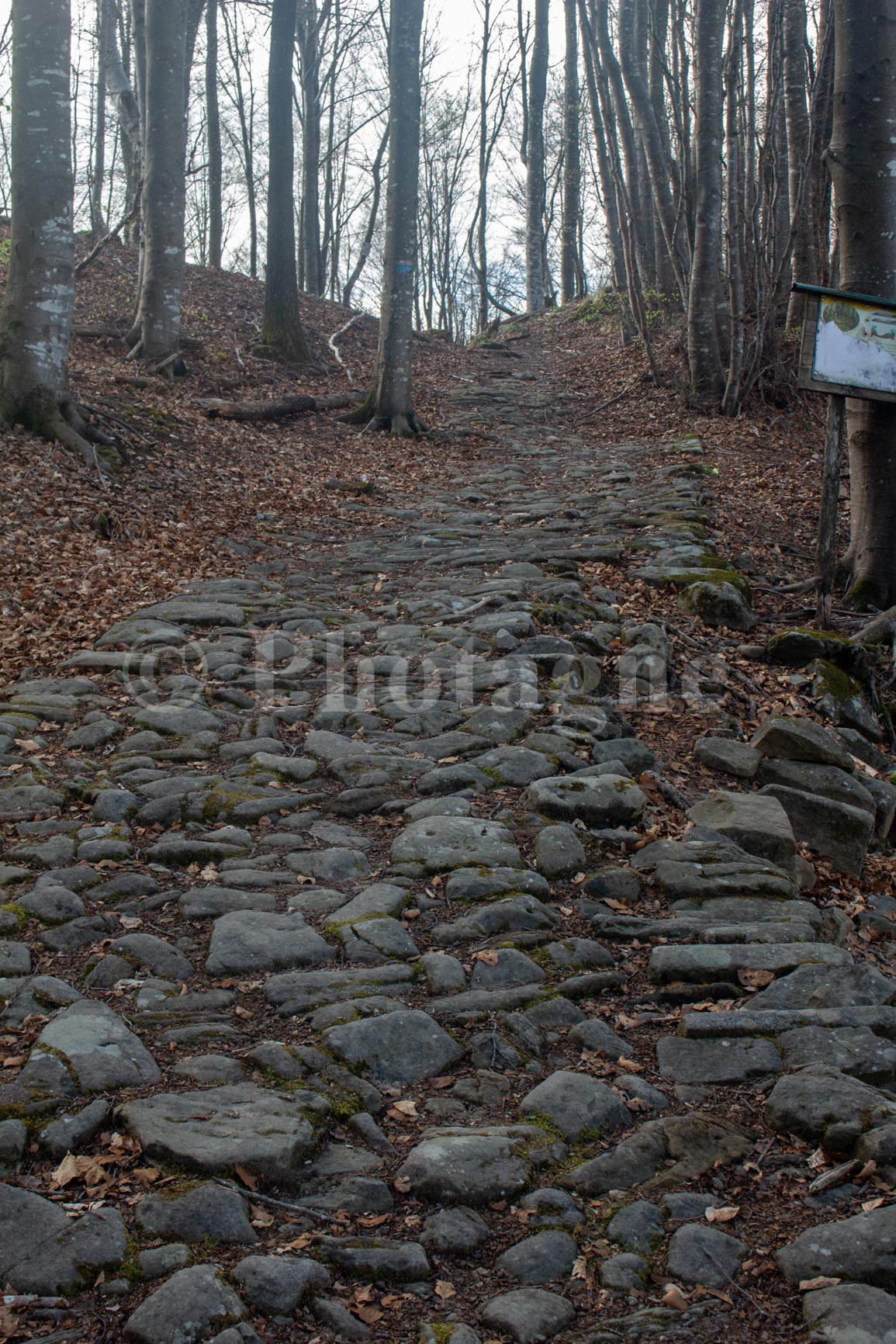
We set off early in the morning along the ridge leading to the Passo della Futa. A persistent, icy wind still swirls the leaves around us. It's beautiful, but a stark contrast to the warmth of the past few days! After the pass, we continue along the ridge through beech trees. Here and there, we can see the Via Flaminia Militare, the Roman road I mentioned in the introduction. It's quite impressive to see such a monument in the middle of nowhere!
After the top of the Banditacce, the path becomes more rural. We pass close to a few farms where the pigs that make the famous Mortadella of Emilia-Romagna are raised. Few breaks on the way because the cold wind is still present! We eventually arrive at Madonna dei Fornelli, where we can take the first real windless break in the sun of the day.
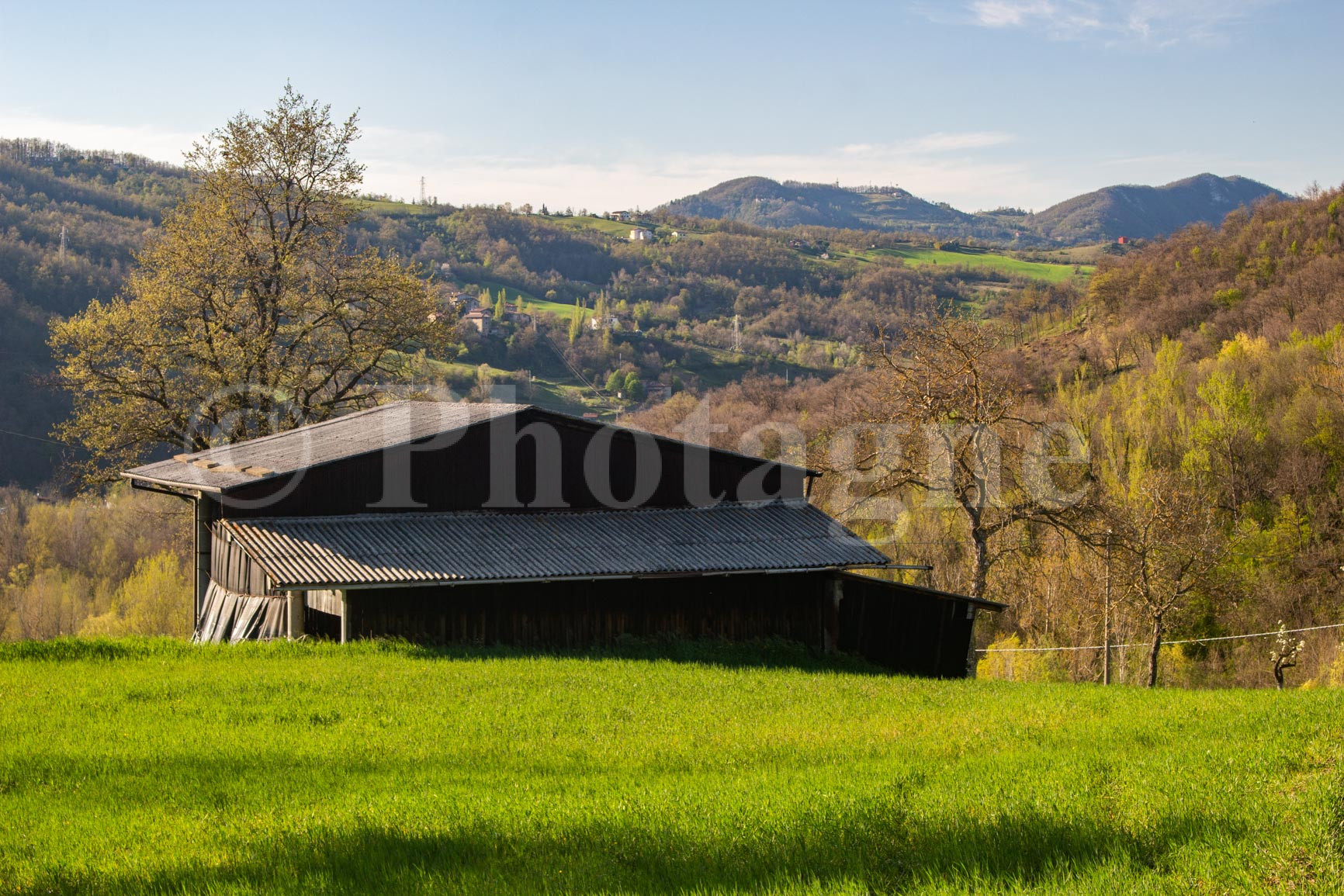
The Way of the Gods officially continues towards the village of Monzuno. But we don't have time to reach it in three days. So we decide to descend towards the San Benedetto Sambro train station. We follow a beautiful path alongside a stream which, surprisingly, isn't marked on the OpenStreetMap. In fact, it's probably one of the most beautiful sections of the route! The final part of the descent to the station at sunset is superb, all through vast grassy meadows on the mountainside. For a moment, you could almost believe you were in Austria…
The tiny station only reveals itself at the last moment. It's already the end of the hike… What I remember is that in three days of walking we are dealing with a great diversity of landscapes. I must say that I had not expected too much!


If you enjoyed the landscape photographs on this page, feel free to visit the section Pictures. For example, you can order a mountain poster of my photos, which is a good way to support me ;).

 FR
FR  EN
EN  IT
IT
2 Comments
Juliette M · 19 June 2024 at 17h04
Hello, thank you for sharing this itinerary! I just have a question about bivouacking. I don't know when your article was posted, but I read on the official website that it's prohibited on the trail. However, you managed to find places to pitch your tent. What is the situation regarding bivouacking on this route? It's true that accommodations can quickly become expensive and aren't always easy to find.
In advance, thank you for your answer.
Photagne · 19 June 2024 at 18h13
Hi Juliette, in my experience, bivouacking in Italy is often officially forbidden but unofficially allowed if you're in the middle of nowhere (and not on private property). By pitching your tent at sunset and taking it down early in the morning, you reduce the risk to almost zero. For this particular route, the first bivouac spot was near houses, so we were a bit hidden, and the second was really high up in the mountains, so we were able to bivouac without any problems. I've also sometimes simply asked the nearest house if they mind if we pitched our tent for just one night on the edge of their property, and we're usually very welcome! Have a good trip.